“Birth Video” Discovery Dispute in Lively v. Wayfarer Studios/Baldoni
Blake Lively wins partial motion over discovery of birth video footage in her lawsuit against Wayfarer Studios. The court orders production but denies sanctions.


Blake Lively wins partial motion over discovery of birth video footage in her lawsuit against Wayfarer Studios. The court orders production but denies sanctions.
A federal court ordered Amazon to disclose litigation hold notices and preservation efforts in a COVID-19 price gouging case, finding significant gaps and delays in its ESI preservation.
A California court in Mendones v. Cushman and Wakefield found that key video and image exhibits were GenAI deepfakes. Metadata and platform inconsistencies, plus an implausible claim that an iPhone 6 on iOS 12.5.5 used Apple Intelligence, led the court to impose terminating sanctions and dismiss the action with prejudice.
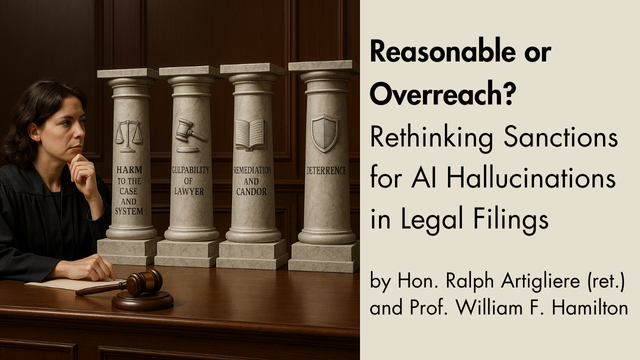
When AI-generated hallucinations appear in court filings, how should judges respond? A new four-pillar framework proposes principled, proportional sanctions to protect the justice system without overreach.
In Jimenez v. Hyatt Corp., the court imposed sanctions based on its inherent power after a privilege log revealed that the Plaintiff anticipated litigation earlier than claimed, triggering a duty to preserve ESI.
In Bouie v. Alzayadi, the court issued a pointed order detailing discovery ground rules, emphasizing cooperation and warning of sanctions for noncompliance.
The District of Maryland in Moore v. WMATA denied spoliation sanctions despite finding a breach of the duty to preserve video evidence. The ruling emphasized the need for concrete proof of relevance and prejudice.
In Lacey v. State Farm, the use of AI-generated content in legal briefs without proper verification resulted in significant judicial sanctions. The Special Master emphasized collective responsibility, underscoring the need for attorney oversight when using AI tools in litigation.
IIn 777 Partners, LLC v. Leadenhall Capital Partners LLP,, the court entered an order denying plaintiff’s motion to compel supplemental document discovery and closing discovery.
While other issues were addressed, two are discussed in this blog.
First, the court criticized both parties for failing to comply with the letter and spirit of the ESI Protocol; and,
Second, it wrote that: “The meet and confers engaged in by the parties’ counsel are textbook examples of how not to conduct a meet and confer.”
The Morse decision highlights the risks of failing to comply with a court-ordered ESI Protocol. Courts may enforce such agreements strictly, but timely motions for modification can provide relief.

In Cooper v. Baltimore Gas and Electric Co., the court addressed cross-motions to compel, ordering forensic examinations of ESI, determining cost allocation, and emphasizing the importance of accurate discovery responses. This case highlights the evolving complexity of electronic discovery in employment litigation.